
Landmark Victory for Climate Justice: ICJ Issues Historic Advisory Opinion on States’ Obligations
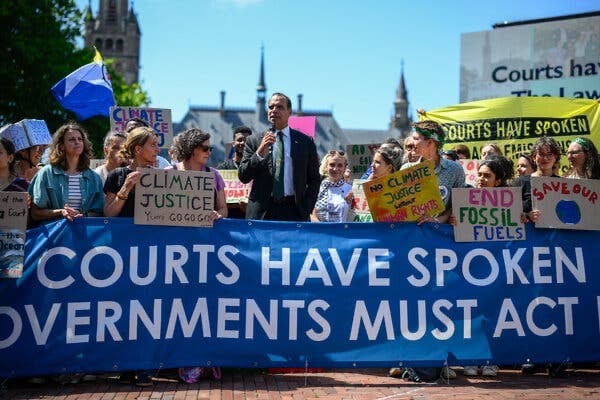
In a groundbreaking moment for international law and global climate action, the International Court of Justice (ICJ) delivered its unanimous Advisory Opinion on the Obligations of States in Respect of Climate Change on July 23, 2025.
Kyllo
12/29/2025
Landmark Victory for Climate Justice: ICJ Issues Historic Advisory Opinion on States’ Obligations
In a groundbreaking moment for international law and global climate action, the International Court of Justice (ICJ) delivered its unanimous Advisory Opinion on the Obligations of States in Respect of Climate Change on July 23, 2025. The world’s highest court affirmed that all nations have binding legal duties to protect the climate system from anthropogenic greenhouse gas emissions, marking a pivotal shift toward accountability in the fight against the climate crisis.
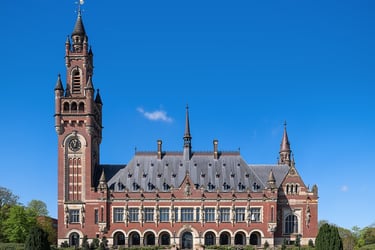
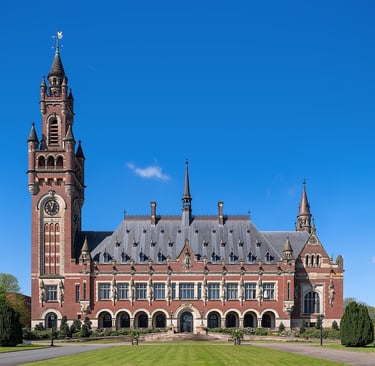
The iconic Peace Palace in The Hague, seat of the ICJ, where the landmark opinion was delivered.
Origins of the Case: A Grassroots Push from Vulnerable Nations
The proceedings stemmed from a UN General Assembly resolution adopted in March 2023, spearheaded by Vanuatu and inspired by Pacific Island youth activists from the group Pacific Island Students Fighting Climate Change. Facing existential threats from rising seas, these advocates sought clarity on states’ legal responsibilities.
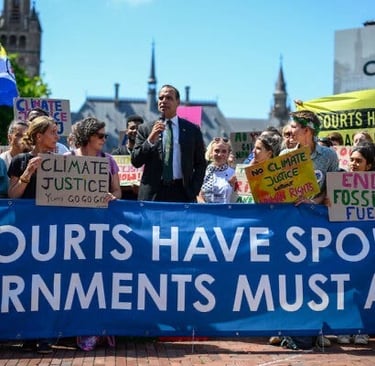
The case saw unprecedented participation: nearly 100 states and organizations submitted arguments, the largest in ICJ history. Hearings in December 2024 featured sharp divides between high-emitting nations advocating narrow interpretations and vulnerable countries pushing for robust accountability.
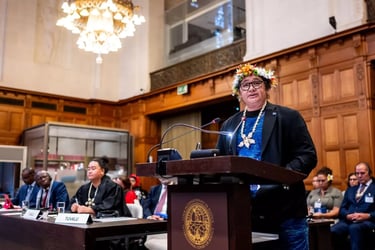
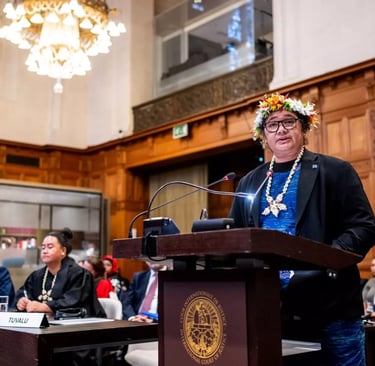
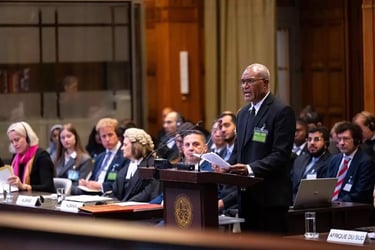
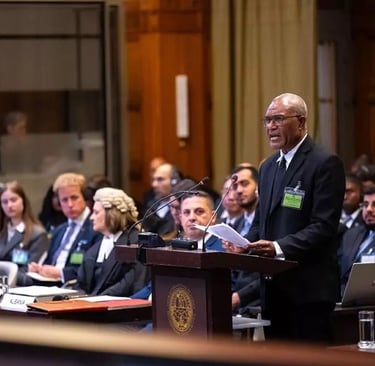
Scenes from the ICJ hearings, including representatives from Vanuatu and the packed courtroom during oral proceedings.
Key Findings: Binding Duties Rooted in Multiple Sources of Law
The 15 judges unanimously declared climate change an “urgent and existential threat” imperiling the planet and human rights. Rejecting claims that climate treaties alone govern the issue, the Court drew from a broad “tapestry” of international law:
• Customary International Law: States must prevent significant transboundary harm, exercising due diligence to reduce emissions rapidly in line with the best available science, including IPCC reports.
• Paris Agreement and UNFCCC: Nationally Determined Contributions (NDCs) are not discretionary; they must align with limiting warming to 1.5°C. Production, consumption, and subsidies for fossil fuels can constitute wrongful acts if inadequate measures are taken.
• Human Rights and Environmental Treaties: Emissions violate rights to a clean, healthy environment, linking to obligations under UNCLOS (marine pollution) and other frameworks.
• Cooperation and Equity: Developed states must provide finance, technology, and capacity-building to developing nations at levels enabling 1.5°C compliance. Common but differentiated responsibilities (CBDR) guide efforts.
The Court emphasized regulating private actors, stating states must ensure corporations under their jurisdiction do not undermine climate goals.
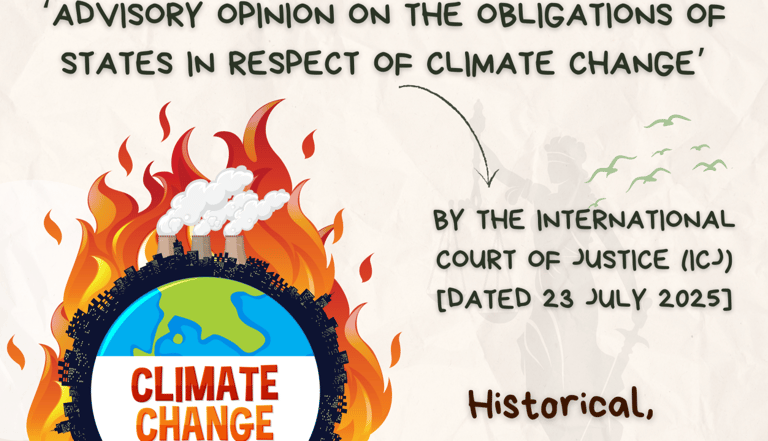
Illustrations depicting the severe impacts of climate change, underscoring the urgency highlighted in the ICJ opinion.
Legal Consequences: Accountability and Reparations
Breaches constitute “internationally wrongful acts,” triggering state responsibility. Remedies may include cessation, guarantees of non-repetition, and full reparation—potentially opening doors to compensation for loss and damage, especially for vulnerable states.
While advisory opinions are non-binding, they carry immense authoritative weight, influencing domestic courts, negotiations, and policy.
Global Reactions and Implications
UN Secretary-General António Guterres hailed it as a “victory for our planet and climate justice.” Environmental groups like IUCN and CIEL celebrated the end of “fossil fuel impunity,” while experts predict boosted climate litigation and pressure for ambitious NDCs ahead of future COPs.
The opinion aligns with recent rulings from ITLOS (2024) and the Inter-American Court of Human Rights (2025), forming a trilogy reinforcing legal obligations.
For businesses, it signals heightened scrutiny: states must regulate emissions from private sectors, potentially affecting fossil fuel projects, subsidies, and investor protections.
In an era of escalating climate impacts, the ICJ’s decision stands as a beacon of hope—proving international law can compel urgent, equitable action to safeguard the planet for present and future generations.
Scenes from the ICJ hearings, including representatives from Vanuatu and the packed courtroom during oral proceedings.